
Friday, March 13, 2026. Four years ago, I was standing at the beginning of my cancer experience, terrified it would destroy my life. I did everything I could to prevent that from happening. I believed my task was to survive it without losing my life as I knew it. I fought hard to keep everything intact. What I didn’t understand then was that cancer wasn’t here to spare the structures I had built to survive - it was here to dismantle them. Cancer killed something in me - not my body, but the false self that had kept me functioning while I was disappearing.
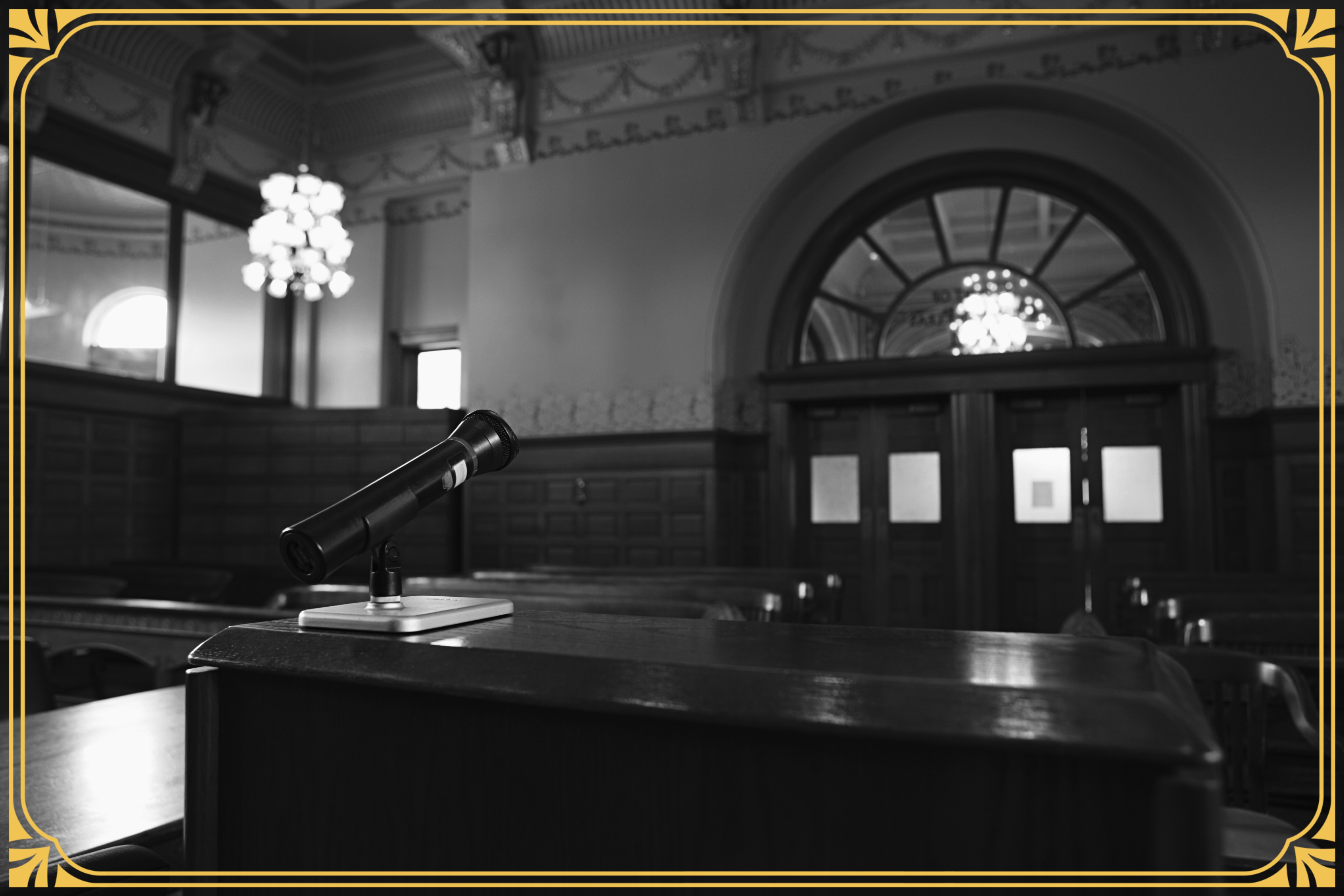
My search for healing led me far beyond my body and into my past, where I uncovered an invisible trauma that had been shaping my life for decades. At first, I resisted it. I questioned it, doubted it, and tried to negotiate my way around it. But once the trauma was revealed, there was no putting it back. My health declined until I could no longer look away. I was forced to stop running and face what had actually happened. In the end, I realized this wasn’t a story I needed to escape - it was one I needed to testify to. I finally took the witness stand in my own life. This is my truth, and truth needs a witness.
My life was haunted. What I experienced wasn’t just unmanageable - it was unlivable.
Something was wrong for a very long time, even when I looked “fine” on the outside.
I grew up in a profoundly dysfunctional family system. After I got breast cancer at age 44, I could no longer carry the lie that everything was okay. I stopped cooperating with denial. I went looking for what had been haunting me.
For most of my life, I believed the haunting came from a single, identifiable event - a violent assault by my peer group when I was sixteen, an experience I wrote about in Post #23 - The Fight. That assault was real, terrifying, and traumatic. It fractured my sense of safety, left me socially isolated, and shaped my fear of people and crowds for years. I believed it was the source of my PTSD, my health problems, and my nervous‑system collapse.
What I didn’t understand then was that The Fight didn’t create the injury - it exposed and intensified one that already existed. The assault was devastating because I had no emotional protection, no safe attachment, and no place to land afterward. It became the event I could point to, the explanation that made sense, and in doing so it concealed the deeper truth: my nervous system had already been shaped by a childhood without emotional safety. The assault didn’t cause the damage - it detonated it.
I grew up without love - not because I was unlovable, but because love threatened the system my parents needed in order to survive.
My family was authoritarian and emotionally barren. Belonging was conditional. Attachment was avoided. Appearances mattered. Money was used instead of emotional presence. My parents could provide material caretaking, but not emotional safety.
And beneath that emotional emptiness was something even more damaging: violence. My sister and I were pulled down the hallway by our hair. We were spanked on our bare skin with a belt. We were yelled at constantly — our names hollered through the house as if we were problems to be summoned, not children to be cared for. We were criticized, mocked, and shamed. My mom called my sister “stupid” and told me, “Don’t ever have kids — kids ruin your life.” The message was clear: our existence was a burden, our needs were an inconvenience, and our feelings were irrelevant.
This wasn’t discipline. It was domination.
This wasn’t parenting. It was control.
This wasn’t “just how things were.” It was abuse.
I always knew something was off, but I couldn’t name it. I didn’t understand how deeply it shaped the way I lived, the way my body held stress, or why life felt so hard. That clarity only came after cancer cracked everything open.
I told the truth in a system that could not survive truth.
When I finally named what I saw and asked my parents to do family therapy - not to punish them, but to repair - they cut me out of the family at age 46. They closed the system rather than take responsibility.
My parents live inside a story where their choices are justified, necessary, and final. That story works for them. Their system says, “We decide what is acceptable.” Anyone who says, “I get to define myself,” becomes a threat.
When threatened, they erase, avoid, isolate, cut off, and pretend the threat doesn’t exist. They have chosen psychological survival over relational truth.
My mom’s internal rule is: “If I control the environment, I won’t fall apart.”
My dad’s internal rule is: “If I don’t engage, I won’t be targeted.”
I didn’t lose my parents because I spoke up.
I discovered the conditions under which I was allowed to exist - and I could no longer live inside those conditions.
For me, disconnection feels like an existential threat. Silence feels dangerous. Unrepaired rupture is unbearable. My nervous system stayed responsive in a family system that was emotionally unresponsive. It learned that injury was my destiny.
That cost me a lifetime of shame, migraines, medical issues, insomnia and nightmares, difficulty forming safe, meaningful relationships, and cancer, the cumulative toll of which left me permanently disabled and unable to work.
For my parents, disconnection feels like stability. Silence feels like relief. Cutoff regulates their nervous systems. They feel fewer feelings - not deeper suffering. There is less conflict, but also less joy. Stability comes at the cost of aliveness. Their lives are smaller, quieter, and tightly controlled.
So when estrangement happens, I feel like I’m losing oxygen - and they feel like the noise finally stopped.
In my family, belonging was conditional and disposable. Obedience mattered more than truth. Silence mattered more than repair. Being “good” mattered more than being real.
My mom has deep intolerances - for femininity, emotional expression, children’s needs, and gender identity that does not match sex assigned at birth. Anything that disrupts rigid categories or control feels dangerous to her, “too disturbing,” or erasable.
Her belief is: “If I stay rigid, nothing can break me.”
She experiences her children and grandchildren as extensions of herself, not separate selves. She has feelings, but she does not have the capacity for mutual relationship or repair. Her story cannot survive an environment of therapy or accountability.
After my dog Sparkle passed away, she sent me a card that said, without saying it directly: “I can acknowledge your loss - but only in a way that requires nothing of me.”
What I experienced was severe emotional neglect that, over time, became emotional abuse - because it was chronic, explicitly stated, and used as a tool of control. The lack of love and emotional presence wasn’t just something that happened, it was announced. Silence, distance, and abandonment were used to enforce obedience and compliance. And layered below that was the physical and verbal violence that taught my nervous system that safety was not available in my own home.
This was not a misunderstanding or a lack of skill. It was a sustained pattern that caused real harm - to my nervous system, my health, my identity, and my capacity for safe attachment.
I share my story now because truth needs a witness. I am not responsible for protecting my parents’ reputation.
I am telling the truth now so I don’t disappear anymore.
I’m not stuck in the past. I’m finishing something that was interrupted. Meaning, safety, witnessing, and truth were interrupted. I am completing that now.
My husband, Miah - my partner of twenty years, has seen every part of me, including the ones I couldn’t bear to look at myself. Through him, I learned that unconditional love is real. His presence gave me a reason to live, and his steadiness made it possible for me to face the truth of my past without collapsing.
I joined a recovery group for people like me - survivors of childhood trauma. I attend meetings three times a week. I'm back to swimming again, doing aqua aerobics in the warm water therapy pool instead of lap swimming. The lap pool is too cold for me now. Throughout my cancer experience and beyond, I took six leaves of absences. I almost made another attempt to return to work, but my symptoms demanded I not. My disabilities have left me with so many functional limitations that work is no longer something I can tolerate reliably and accurately. I am starting to understand and appreciate that my new job is to rest and allow my body and mind to adjust to what it has missed for 48 years: stillness/safety.
I hope my music will wait for me. If it returns, it will be because it wants to - not because I need it to save me. For now, I am stepping away so I can learn who I am beneath survival, performance, and explanation.
This chapter is complete. I'm done testifying. I'm still alive and learning how to be me.
End of 25 - Truth Needs a Witness